An original leisure activity is defined as an activity practiced during free time that breaks away from established habits (television, reading, traditional sports) and provokes a new learning experience or sensation. The interest in these activities lies less in their exoticism than in their ability to mobilize unusual skills, which generates a state of deep concentration often described as flow.
Immersive leisure activities in virtual reality: an offering that goes beyond escape games
Since the public release of headsets like the Meta Quest 2, followed by the Meta Quest 3 and the Apple Vision Pro, immersive activities have multiplied in major French cities. The offering is no longer limited to VR escape games: venues now offer sports simulations, scripted adventures, and artistic experiences combining augmented reality, video mapping, and multisensory devices.
What makes these activities interesting as a regular leisure option is their short format. A session typically lasts less than an hour, allowing it to fit into a busy schedule without heavy planning. For a couple or a group of friends, a hybrid action game session (a mix of physical play and augmented reality) offers an intensity that is hard to replicate with traditional leisure activities.
By browsing the leisure activities offered on Slouppi, it is evident that these immersive formats coexist with more traditional activities, making comparison easier before diving in.
Short creative workshops: adapting leisure to micro-time slots
The majority of lists of leisure ideas assume that the reader has several free hours. The reality is different. Mental fatigue related to connected life pushes towards creative activities designed for sessions of ten to thirty minutes.
Some formats lend themselves particularly well to these short windows:
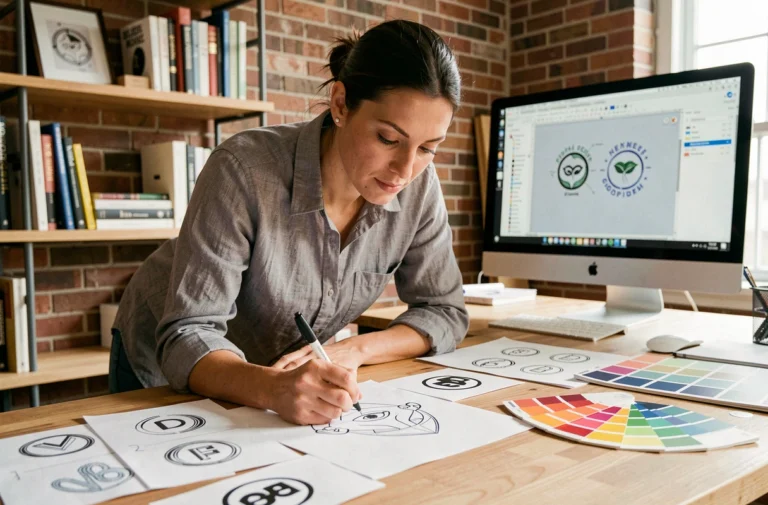
- Quick sketching (urban sketching): a notebook, a marker, and the constraint of drawing an object or landscape in under fifteen minutes. The time limit removes the pressure of the outcome and enhances observation.
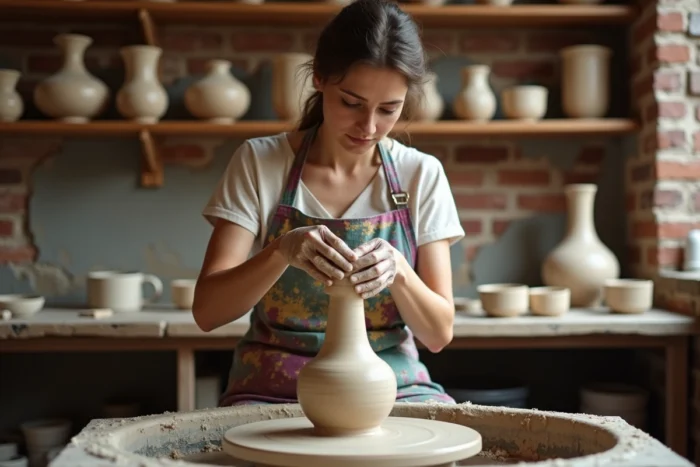
- Small piece modeling (air-dry clay or polymer clay): each session produces a finished object, generating an immediate sense of accomplishment.
- Flash writing: writing a free text of 200 words on a randomly chosen theme. This exercise stimulates verbal creativity without requiring a long-term literary project.
These short workshops work particularly well with families or children because they require neither expensive materials nor dedicated space. The criterion for success is not the quality of the result but the regularity of practice.
Unusual night activities: changing the setting to renew the experience
Practicing a familiar activity in an unusual context transforms the perception of it. Nighttime leisure activities exploit this principle. A night hike, for example, engages hearing and touch much more than the same hike during the day. The body compensates for the loss of vision with heightened sensory attention, producing a radically different experience.
Several formats are developing in France:
- Nocturnal visits to museums or monuments, often accompanied by lighting displays or specific sound paths.
- Nocturnal orienteering races with headlamps, offered by sports associations in marked wooded areas.
- Long exposure photography workshops, where night becomes the primary material for creation.
The nighttime setting adds an emotional dimension that the same leisure activity practiced during the day does not produce. For those who find their usual activities a bit dull, simply changing the time can sometimes reignite interest.
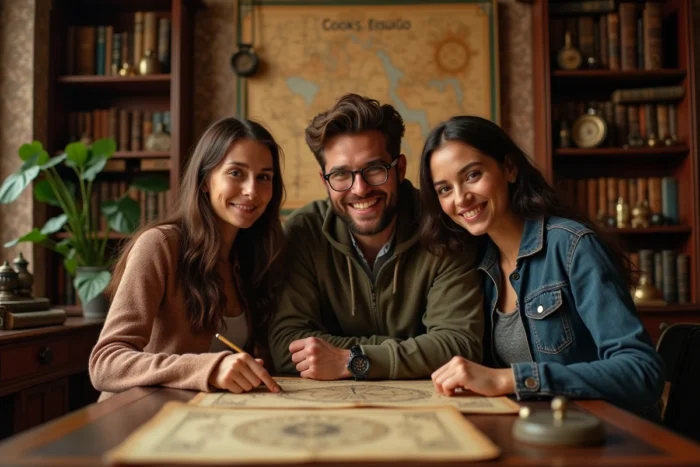
Leisure activities for two or team building: the collective format as a lever for engagement
A leisure activity practiced alone risks being abandoned after a few weeks. Social engagement is the best predictor of the regularity of leisure practice. This explains the success of collective formats, whether it’s a pottery workshop for couples or a team-building activity in a company.
Team building, long limited to ropes courses and office quizzes, now includes more original formats: molecular cooking classes, collaborative raft building, collective beatbox sessions. The goal is not performance but cooperation, which changes the group dynamic.
For a couple, shared workshops (perfume making, blacksmithing initiation, swing dance classes) create a shared memory that is different from a simple dinner at a restaurant. Shared novelty strengthens complicity in a measurable way: learning something together that neither participant masters places both on equal footing.
Choosing an original leisure activity that lasts
The difficulty with original leisure activities is not finding one, but keeping one. Many activities look appealing on paper but lose their charm after three sessions. Two criteria can effectively filter options.
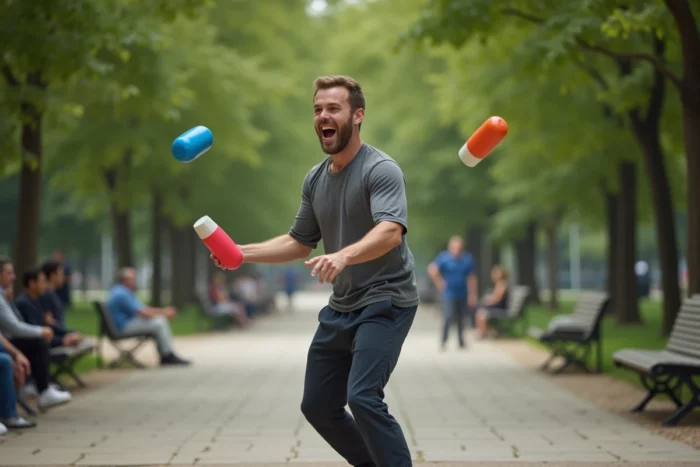
The first is visible progression. A leisure activity where one notices improvement, even minimal, from one session to the next holds attention much longer than a purely recreational activity. Juggling, drawing, or learning an instrument illustrate this mechanism well.
The second is logistical accessibility. A leisure activity that requires a forty-minute commute and a bag of materials will be abandoned during the first busy week. Activities that can be practiced at home or in immediate proximity are more resilient to the ups and downs of daily life.
An original leisure activity does not need to be spectacular. A modest activity practiced every week brings more than an exceptional experience attempted only once. The real change in free time comes from regularity, not rarity.