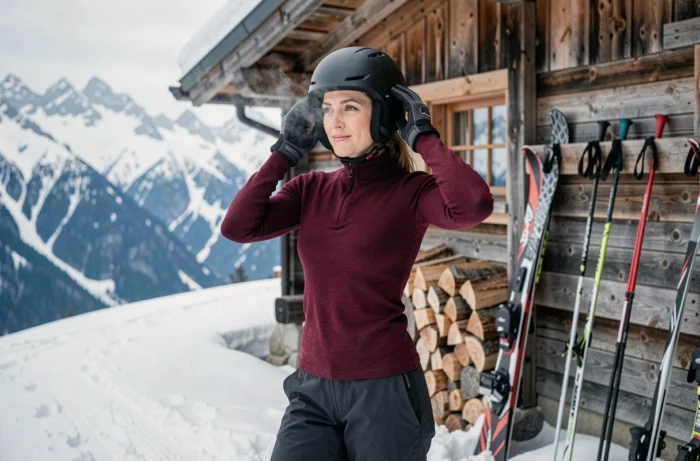
The Sport Switzerland 2026 study, published by the Federal Office of Sport (BASPO) on August 18, 2026, reshuffles the cards: weight training and yoga are the fastest-growing disciplines, while hiking, skiing, and jogging are slightly declining. At the same time, fitness subscriptions surpass traditional sports club memberships for the first time. What equipment does this shift prioritize, and where are the real cost gaps between disciplines?
Fitness, yoga, and home training: the game-changing numbers
| Indicator | Fitness / strength training | Traditional sports clubs |
|---|---|---|
| Share of the population (aged 15 and over) | 22 % have a fitness subscription | 19 % active in a club |
| Trend over six years | Increasing | Stable to slightly declining |
| Growing practice location | Home (the only growing location) | Club facilities |
This table, drawn from the Sport Switzerland 2026 study, shows a clear shift. The growth of home training fuels demand for compact equipment: adjustable dumbbells, resistance bands, mats, suspension systems.
To compare prices and availability of this type of equipment in Switzerland, specialized retailers like azsport.ch allow filtering by discipline and budget. The time savings are significant when looking for portable small equipment rather than a gym machine.
Mountain equipment in Switzerland: new safety standards for helmets
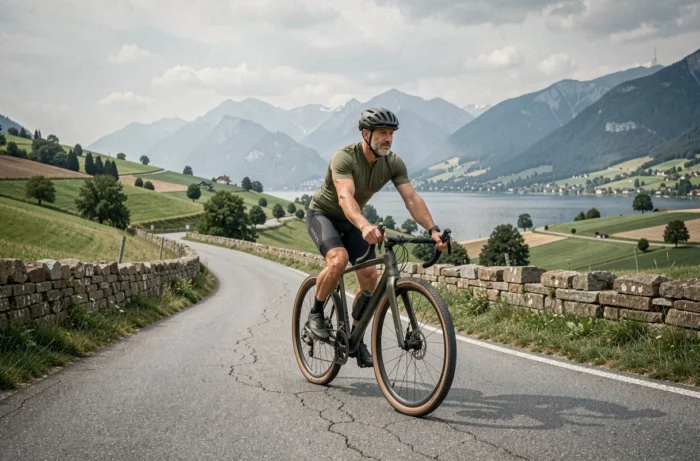
A technical point that most buying guides overlook concerns the standards for climbing and mountain helmets. The EN 12492:2026 standard and the EN 18100:2025 standard modify protection requirements, particularly regarding lateral impact resistance and ventilation.
In practical terms, a helmet purchased five years ago may no longer meet current criteria. Swiss and European manufacturers are gradually adapting their ranges, creating a transition period where old and new standards coexist on the shelves.
What this means for the buyer
- Check for the standard mention on the inner label of the helmet before purchase. A model compliant with EN 12492:2026 offers enhanced lateral protection compared to the old version.
- Hybrid helmets (climbing + ski touring) must meet each standard separately. A helmet certified only for skiing is not sufficient for via ferrata.
- The lifespan of a helmet remains limited by the aging of materials, even without visible impact. Replacing a helmet after a few years of regular use remains the manufacturers’ recommendation.
On the other hand, regarding pricing, the transition to new standards does not necessarily lead to a significant price increase. Entry-level models remain accessible, while high-end ranges are already incorporating these standards.
Winter sports versus summer sports: where equipment spending is concentrated
The classic reflex is to associate Switzerland with skiing. The costs of winter equipment remain indeed high: skis, bindings, boots, multi-layer technical clothing, helmet, goggles. A complete ski setup costs significantly more than a running or fitness kit.
In contrast, the growing disciplines (weight training, yoga, running) require a much more modest initial investment. A mat, a few resistance bands, and a pair of running shoes are enough to get started. The budget gap between the two types of practitioners partly explains the migration towards strength training.
The rental versus purchase decision for winter sports
For occasional practitioners (fewer than ten outings per season), renting skis and boots at Swiss resorts is often more cost-effective than buying. Resort shops offer recent, well-maintained equipment suited to the skill level.
Purchasing is justified from regular practice, typically beyond fifteen days per winter. In this case, the comfort of personalized equipment (thermoformed boots, custom binding adjustments) makes a real difference in fatigue and safety.
Quality of sports equipment in Switzerland: what provenance really changes
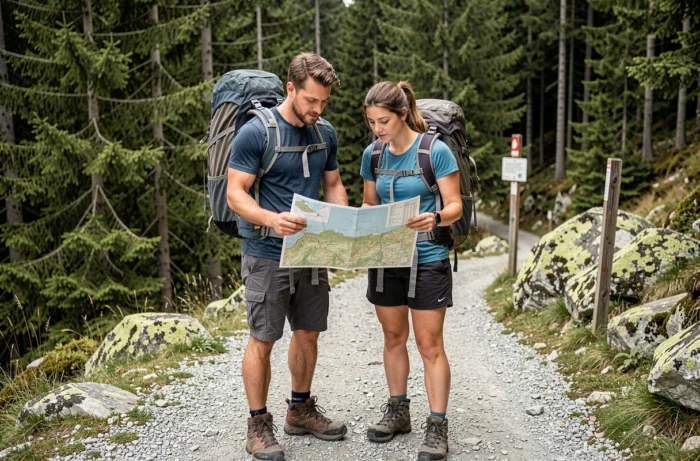
Switzerland is home to several recognized technical brands in outdoor and running gear. The geographical proximity to testing grounds (Alps, lakes, marked trails over more than 65,000 km according to Suisse Rando) drives local manufacturers to design products suited to real conditions.
However, Swiss brand does not automatically mean better value for money. In the fitness and strength segment, equipment made in Central Europe or Asia reaches comparable quality levels at lower prices. The discriminating factor remains certification (CE standards, discipline-specific standards) rather than the country of origin.
A often underestimated point: warranty conditions and after-sales service. Equipment purchased from a Swiss retailer generally benefits from local support (repair, exchange, advice) that international platforms do not offer with the same responsiveness. This factor weighs more heavily on technical equipment (helmets, mountain shoes, bindings) than on small fitness equipment.
The Swiss sports landscape is transforming. The central finding of the BASPO 2026 study can be summed up in one sentence: fitness at home and in gyms is growing where historical disciplines are stagnating. For equipment, this means lower entry budgets, more frequent purchases of small gear, and increased attention to safety standards in technical segments like climbing or skiing.