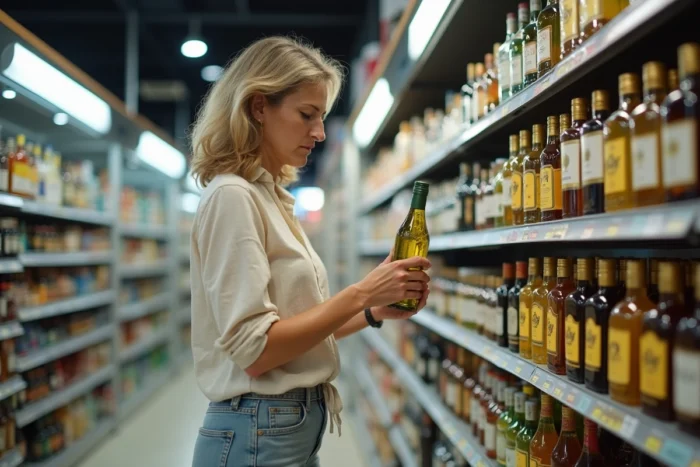
The taxation on spirits varies significantly between France and Spain. This difference in taxation, which concerns the excise duties applied to strong alcohols, explains the price gap observed on Ricard, whisky, or vodka in stores.
For a border resident from the Pyrénées-Orientales or the Basque Country, the question is not whether alcohol is cheaper on the other side. It is about measuring the actual savings once the journey, fuel, and customs limits are taken into account.
Excise Duties on Spirits: The Tax Gap Between France and Spain
The price of a bottle of whisky or pastis in a supermarket largely depends on the excise duties, an indirect tax levied on each liter of pure alcohol. France applies one of the highest rates in Western Europe on spirits. Spain subjects these same products to its Ley de Impuestos Especiales, but with a significantly lower level of taxation.
Specifically, on a standard bottle of whisky, the share of French tax represents a significant fraction of the final price, while the Spanish tax component remains much more modest. It is this differential that allows stores in La Jonquera or Dancharia to offer spirits at attractive prices for French buyers.
Border residents comparing the prices of Ricard and whisky in Spain notice an average gap of around 30 to 40% on major brands of spirits. The gap is particularly visible on aniseed products like Ricard or Pastis 51, where the French taxation heavily impacts the price per liter.
Ricard, Pastis, and Aniseed: Why the Price Gap is More Pronounced Than on Whisky
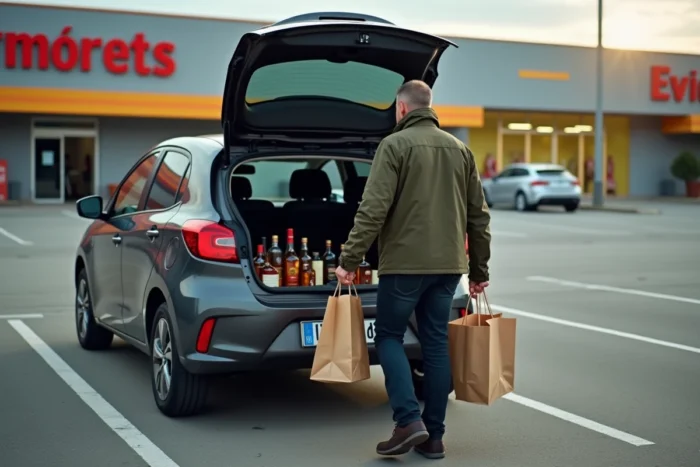
Not all spirits benefit from the same purchasing advantage in Spain. Aniseed products often show the highest price gap compared to France. The 1-liter format of Ricard illustrates this phenomenon well: its price in a Spanish supermarket can be barely more than half of the French price.
The explanation lies in the combination of two factors. The first is fiscal: French excise duties are proportionate to the alcohol content, and pastis has an alcohol content of 45°, which increases the cost. The second is commercial: Ricard remains a product with very high demand on the French side, and Spanish border distributors use it as a loss leader.
For whisky, the savings also exist but are less dramatic in proportion. Branded whiskies (classic blends) offer an interesting differential, while premium single malts show a smaller gap, as their price is more based on production costs than on taxation.
Typical Comparison Between France and Spain on Common Spirits
| Product | Price Trend in France | Price Trend in Spain | Estimated Gap |
|---|---|---|---|
| Ricard 1 L | High (high taxation) | Significantly lower | Among the largest |
| Blended whisky 70 cl | Medium-high | Lower | Significant |
| Single malt whisky | Variable by brand | Slightly lower | More modest |
| Standard vodka 70 cl | Medium | Lower | Comparable to blended whisky |
Quantities Allowed by French Customs in 2026
Buying cheaper is pointless if the goods are seized on the way back. French customs set indicative thresholds for personal use that every border resident should know before filling their trunk. In 2026, the Republic of the Pyrénées reminds that these levels are 10 liters of strong alcohol and spirits per adult returning from Spain.
These volumes are per traveler, not per vehicle. A couple can therefore bring back up to 20 liters of spirits without raising any particular suspicion. Beyond that, customs may consider it to be for commercial use and impose penalties.
- Spirits (whisky, rum, vodka, pastis, etc.): up to 10 liters per adult for personal use
- Still wines: up to 90 liters (this threshold rarely concerns border residents targeting spirits)
- Beers: up to 110 liters per person
These thresholds do not constitute an automatic right. A customs officer may request justifications even below these volumes, especially in the case of frequent trips.
Summer Road Checks and Areas to Monitor on the French Side
Summer 2026 marks a strengthening of road checks on return routes from Spain. The prefecture of Gard has announced a specific summer operation, with targeted actions on the flow of vehicles returning from the border.
The most monitored routes remain those connecting La Jonquera to Perpignan (A9/AP-7) and the Dancharia area towards the French Basque Country. The checks do not only focus on the quantities of alcohol: they also verify the driver’s condition and compliance with traffic laws, adding a layer of vigilance for border residents.
The Real Cost of the Journey: Fuel and Tolls to Consider
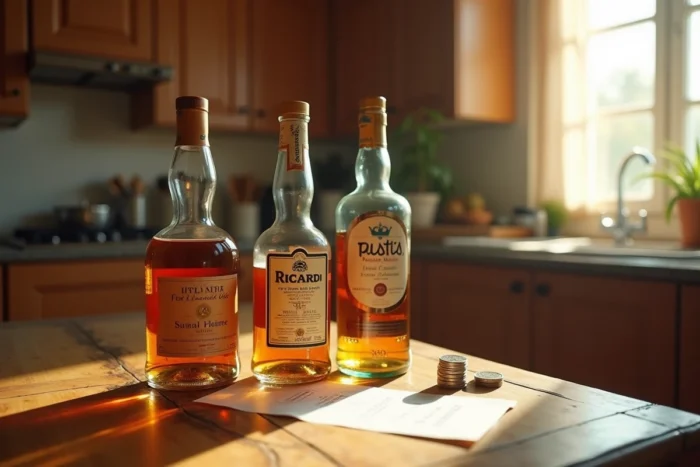
The savings on a bottle of Ricard or whisky must be weighed against the cost of travel. For a border resident living in Perpignan, the trip to La Jonquera is about thirty kilometers one way, with limited fuel and possibly toll costs. The operation remains profitable after buying just a few bottles.
For a buyer coming from Toulouse, Montpellier, or Bordeaux, the calculation changes. The trip must justify a sufficient purchase volume to offset fuel and time. In practice, a round trip of several hundred kilometers solely to buy spirits only makes economic sense if the trunk is well filled, within the customs limits.
- Direct border resident (less than 50 km): profitable after just a few bottles, especially on pastis and aniseed products
- Medium trips (100-200 km): profitable from a group purchase or combined with other shopping (tobacco, food)
- Long trips (more than 300 km): rarely profitable if alcohol is the only reason for the trip
Regular border residents from the Basque Country often prefer Dancharia, which is more accessible from Bayonne or Saint-Jean-de-Luz. Regulars from the Pyrénées-Orientales naturally head to La Jonquera, which concentrates the large stores specialized in selling to the French.
The real savings on Ricard or whisky bought in Spain therefore depend as much on the distance traveled as on the price gap in stores. A border resident from the Pyrénées-Orientales who combines purchases of pastis, whisky, and food products on the same trip optimizes every kilometer. Conversely, a dedicated trip from a city far from the border turns the apparent good deal into a neutral or even loss-making operation once the fuel cost is accounted for.