
Exploring the world differently refers to a travel approach that emphasizes local immersion, low carbon footprint transportation, and direct contact with locals, as opposed to mass tourism focused on the most visited sites. This definition encompasses very different practices, from staying with locals in rural areas to trekking without infrastructure in remote regions.
Logistical Constraints of Off-the-Beaten-Path Destinations
Alternative travel selections regularly highlight areas described as “wild” or “preserved.” This vocabulary masks a practical reality that inspirational guides rarely address: the lack of tourist infrastructure radically changes the level of preparation.
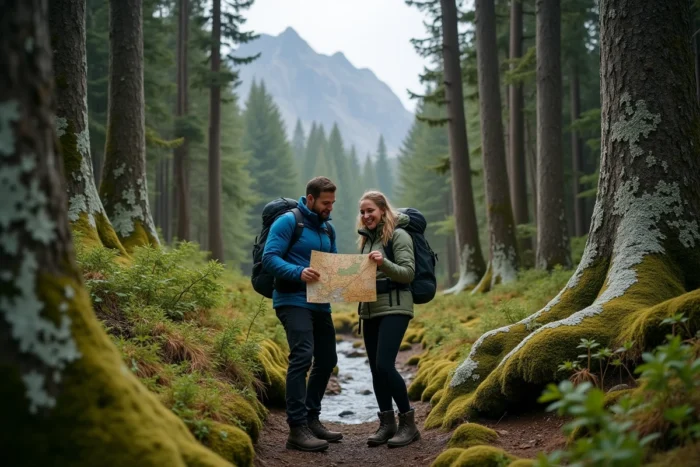
In certain regions proposed as models of immersion (high plateaus, remote forests, poorly served islands), there are no marked shelters, no mobile network, and no reliable supply points. A trek presented as accessible may involve several days of complete autonomy in water and food.
Before booking, checking three concrete points saves time: the actual frequency of local transport to the starting point, network coverage in case of emergency, and the presence or absence of accommodation structures along the route. Platforms like popvoyages.com allow for comparing bus routes to less-served European destinations, which reduces both the budget and the carbon footprint of the trip.
Low Carbon Travel in Europe: Accessible Destinations Without a Plane
Low carbon travel is not limited to offsetting emissions afterward. The choice of transportation mode is the main lever: a train or bus journey between two European countries generates a fraction of the emissions of a short-haul flight.
Several European destinations offer a real change of scenery while remaining accessible by land from France.
- The inland valleys of Albania, still little frequented, combine mountain landscapes, Ottoman heritage, and some of the lowest living costs on the continent.
- The High Tatras, on the border between Slovakia and Poland, offer demanding alpine hikes without the overcrowding of the Western Alps.
- Spanish Galicia, beyond the Camino de Santiago, features a rugged coastline, seafood cuisine, and fishing villages where tourism remains discreet.
Each of these destinations is connected to bus or train networks from major French cities, with travel times remaining under a day.
Local Immersion and Staying with Locals: What It Really Implies
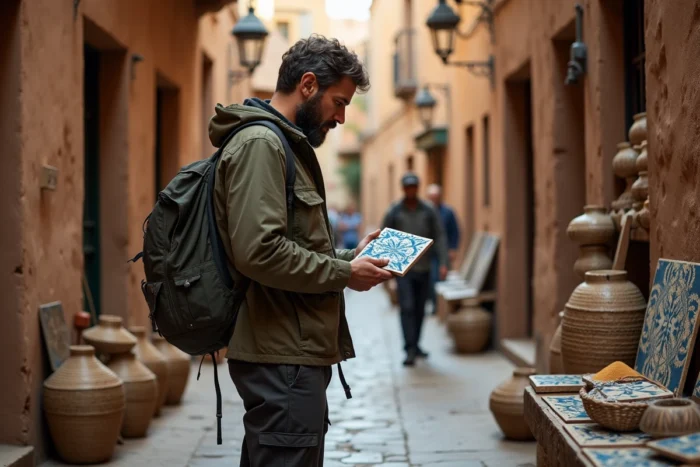
The term staying with locals encompasses very varied realities. In some cases, it is a guest room with comfort similar to traditional hotels. In others, the traveler shares the daily life of a family, including meals, schedules, and domestic constraints.
The difference between an enriching experience and an uncomfortable situation often lies in the clarity of expectations. A few questions to ask before leaving:
- Does the accommodation have a private space (closed room, separate bathroom) or is it a continuously shared space?
- Are meals included and prepared together, or does the traveler manage their food independently?
- Is the language of communication French, English, or should one prepare a minimum of local vocabulary?
Real immersion requires accepting a different pace, which does not always match the idealized image from brochures. Travelers who derive the most satisfaction are often those who have prepared the practical framework in advance, allowing them to focus on human exchange once on site.
The Trap of the Promise of Authenticity
Some stays marketed as “authentic” are actually tourist services dressed in immersive vocabulary. A dinner at a local’s home organized every evening for different groups of visitors does not carry the same weight as a spontaneous welcome in a non-touristy village.
To distinguish between the two, looking at the volume of online reviews provides a clue. An accommodation “with locals” that accumulates hundreds of comments likely operates as a micro-tourism business. This is not a flaw in itself, but it’s better to know before leaving to adjust expectations.
Traveling with Family or in a Group: Adapting the Format to the Audience
Traveling differently with children or in a group imposes additional constraints that inspirational articles rarely address. Tolerance for discomfort, travel duration, and access to medical care become primary criteria.
For a family trip off the beaten path, the best destinations combine cultural change with a minimum of sanitary and transport infrastructure. Less touristy Greek islands, certain regions of inland Portugal, or natural parks in mainland France meet these criteria without requiring heavy logistics.
Group travel, organized through specialized adventure or hiking agencies, offers a valuable logistical safety net in remote areas. The trade-off: the pace is collective, and individual immersion remains limited by the size of the group.
The choice between total autonomy and guidance depends on the traveler’s level of experience and the targeted destination. In both cases, logistical preparation conditions the quality of the experience much more than the destination itself. A modest but well-planned stay in a little-known European valley often leaves a stronger memory than an ambitious poorly prepared journey on the other side of the world.