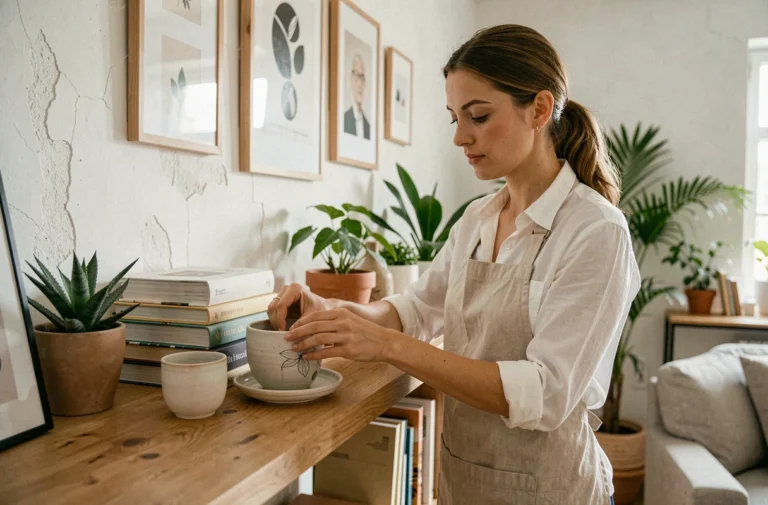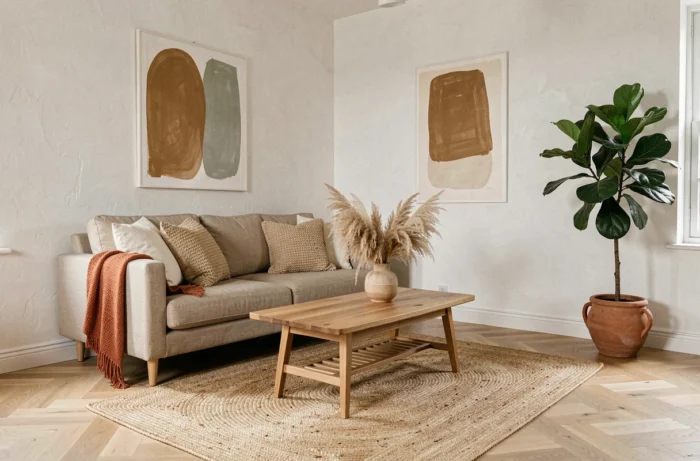
Research on interior decoration in 2024 reveals a notable shift: home transformation projects are no longer limited to a change of paint color or the purchase of a new sofa. The rise of energy performance requirements, driven by MaPrimeRénov’ and energy savings certificates (CEE), is prompting many households to rethink their interiors by integrating technical constraints into their aesthetic choices.
This context redefines what it means to “enhance one’s interior”: it is no longer just about decor trends, but about balancing thermal comfort, sustainable materials, and style.
Interior decoration and energy renovation: the link that decor articles ignore
Most content dedicated to decor trends for 2024 presents color palettes, styles (wabi-sabi, maximalism, coastal), and materials without ever mentioning the constraint that structures the majority of transformation projects: the energy performance of the home. Since 2024, aid programs strongly encourage comprehensive renovations rather than spot fixes.
In practical terms, a project that starts with wall insulation or the replacement of joinery requires a rethink of the finishes. An interior lining alters the volumes of a room, shifts outlets, and changes the available surface for furniture. The installation of a heat pump or a dual-flow ventilation system introduces visible technical elements that must be integrated into the layout rather than hidden.
The catalogs offered on ma-deco-maison.com illustrate this dual requirement well: finding furniture pieces and accessories that work in a space constrained by technical work while maintaining visual coherence.
A recent CEE decree refocuses grants on “coherent bundles of work” and mandates an energy audit. The result: choices of materials, colors, and layout are now considered simultaneously with insulation and heating systems. Ignoring this reality when discussing “decor trends” means only addressing part of the subject.
Colors and interior paint: how summer comfort changes things
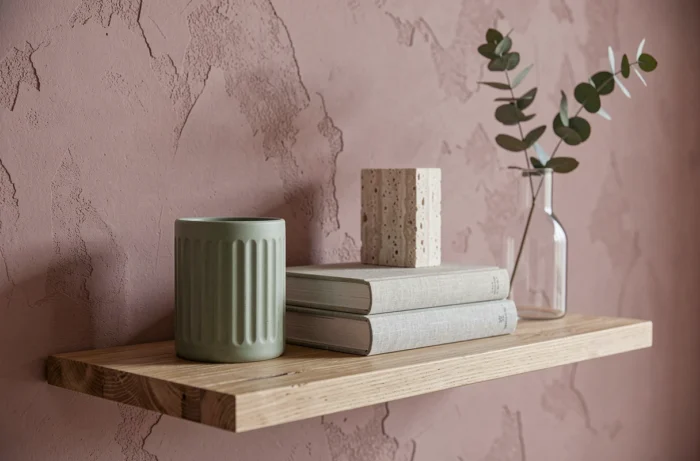
The palettes proposed for 2024 highlight vibrant shades (pink, Klein blue, orange) and soft tones inspired by nature. Field reports diverge on this point: in regions exposed to increasingly hot summers, the choice of wall color is no longer purely aesthetic.
Light colors on exterior walls and in south or west-facing rooms help limit heat absorption. This parameter, rarely mentioned in decor guides, nevertheless influences the comfort level in a living room or bedroom without air conditioning.
Paint and bio-based materials for walls
The use of low volatile organic compound (VOC) paints and lime or clay-based coatings is increasing. These materials contribute to the hygrometric regulation of a room, a criterion that has become relevant as insulation enhances the airtightness of the home. A wall coated with clay absorbs and releases ambient moisture, improving perceived comfort without additional equipment.
Wallpaper, which is very present in current trends with geometric or floral patterns, raises the opposite question: applied to a wall recently insulated from the inside, it can block hygroscopic exchanges if the substrate is not suitable.
Furniture and living room layout: choices guided by technical constraints
The living room remains the space where desires for change are concentrated. The trends for 2024 highlight organic shapes, solid wood furniture, and vintage pieces. These orientations are compatible with renovation constraints, provided they are adapted.
- A low-temperature radiator (linked to a heat pump) occupies more wall space than a conventional convector, necessitating a review of the furniture layout plan and sometimes requiring the choice of shallower pieces
- The dual-flow ventilation outlets, often installed high on the walls or on the ceiling, require free clearance to function properly, which excludes certain configurations of bookshelves or wall shelves
- Interior insulation reduces the floor area by a few centimeters on each treated wall, a detail that changes the choice between a corner sofa and a straight model in small spaces
Thinking about the layout of the living room by integrating these technical elements from the start avoids having to move the furniture afterward. Maximalist styles, which accumulate objects and textures, are more difficult to reconcile with these constraints than a sober and modular layout.
Wood floors and coverings: durability versus immediate decor effect
Light wood flooring and herringbone patterns feature in all trend selections. In practice, the choice of flooring also depends on the heating system. A low-temperature underfloor heating system, increasingly common in comprehensive renovations, requires a covering compatible with the slow diffusion of heat.
Thick solid wood floors are generally not recommended in this configuration. Engineered wood floors or large-format porcelain stoneware tiles offer better thermal conductivity. This technical criterion directs the choice towards materials that may not have been at the top of the list for purely aesthetic reasons.
Vinyl and resin: an alternative gaining ground
LVT (Luxury Vinyl Tile) floors mimic wood or stone with increasing realism. Their low thickness makes them compatible with underfloor heating, and their floating installation simplifies renovation projects. However, their environmental impact at the end of life remains an open issue: recycling channels for these products are still limited in France.
Sustainable decoration: beyond the trend, a question of coherence
The term “sustainable design” appears in almost all decor articles for 2024, often associated with the use of recycled materials or second-hand furniture. This orientation takes on an additional dimension when crossed with energy renovation requirements.
A decoration project that integrates bio-based materials for insulation (wood fiber, cellulose wadding, hemp) while choosing furniture made from certified wood sources builds a coherence that purely aesthetic approaches do not allow. The durability of an interior is measured as much by its thermal performance as by its decorative choices.
The available data does not allow for conclusions about the actual impact of these combined choices on the resale value of a property. What is documented is that homes rated A or B on the energy performance certificate (DPE) sell more easily. An enhanced interior that also relies on a high-performance thermal envelope thus meets a dual logic: daily pleasure and the property value of the home.